
The golden years of retirement offer an opportunity to resume leisure activities that may have been put on hold during one’s career. Hobbies offer an amazing avenue to replace work routines with enjoyable activities that can blossom into passionate pursuits. This transition is not only fulfilling but can also offer benefits such as supplementing income and promoting physical and psychological health. Read below about how you can focus on turning your hobbies into passions.
Common hobbies in retirement
There are several engaging activities during retirement. The choice largely depends on one’s interests, health, and sometimes, financial implications. Here are a few common hobbies among retirees:
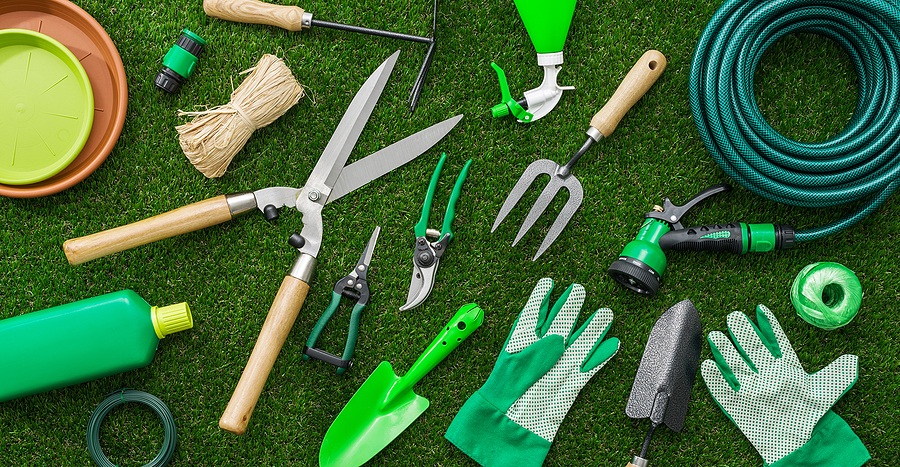
- Gardening – This hobby is not only therapeutic but can also yield produce that can help reduce grocery bills.
- Traveling – This hobby allows one to experience new cultures, environments, and cuisines.
- Crafting – From knitting and sewing to painting and woodworking, crafting is a creative outlet that can result in beautiful handmade pieces.
- Sports and fitness – Activities such as golf, yoga, swimming, or even walking can help keep one physically active and healthy.
- Cooking and baking – These activities can also yield delicious results.
How hobbies help fulfill financial shortages
Transitioning from a steady income to relying on retirement savings, pensions, or social benefits can be financially challenging for some. Hobbies can help serve as a bridge to address any financial shortfalls.
For example, one can sell their craft work online or at local markets. Likewise, baking could lead to starting a small home-based bakery selling cookies, cakes, or bread to neighbors and friends. Or some may use their baking skills and work part-time in a bakery.
Turning hobbies into income-generating activities may provide supplemental income; however, the extent of any income will vary and may not be sufficient to meet all financial needs.
The benefits of hobbies: physical, psychological, and more
Beyond financial gain, hobbies offer an array of health benefits, both physical and psychological. For starters, staying physically active through hobbies such as sports, gardening, or even vigorous crafting can help maintain flexibility, strength, and cardiovascular health.
Psychologically, hobbies can significantly enhance one’s mental well-being. Engaging in an activity that one enjoys can reduce stress and anxiety, promote a positive mood, and fight off depression. Furthermore, hobbies often involve problem-solving, which helps keep cognitive skills sharp. Additionally, hobbies often provide opportunities to connect with others, reducing feelings of loneliness or isolation.
In conclusion
Hobbies can be a source of joy, income, and health benefits. So, start planning your retirement hobby list because retirement is the perfect time to pursue what you love.
SWG5364841-0426c This information is provided as general information and is not intended to be specific financial guidance. Before you make any decisions regarding your personal financial situation, you should consult a financial or tax professional to discuss your individual circumstances and objectives. Any income generated from hobbies will vary and is not guaranteed. This content is not intended as medical advice; individuals should consult a qualified healthcare provider regarding their personal health. Certain activities may be subject to applicable laws and regulations.
[PFS_FOOTER]